Flood protection thanks to automated 5-axis technology
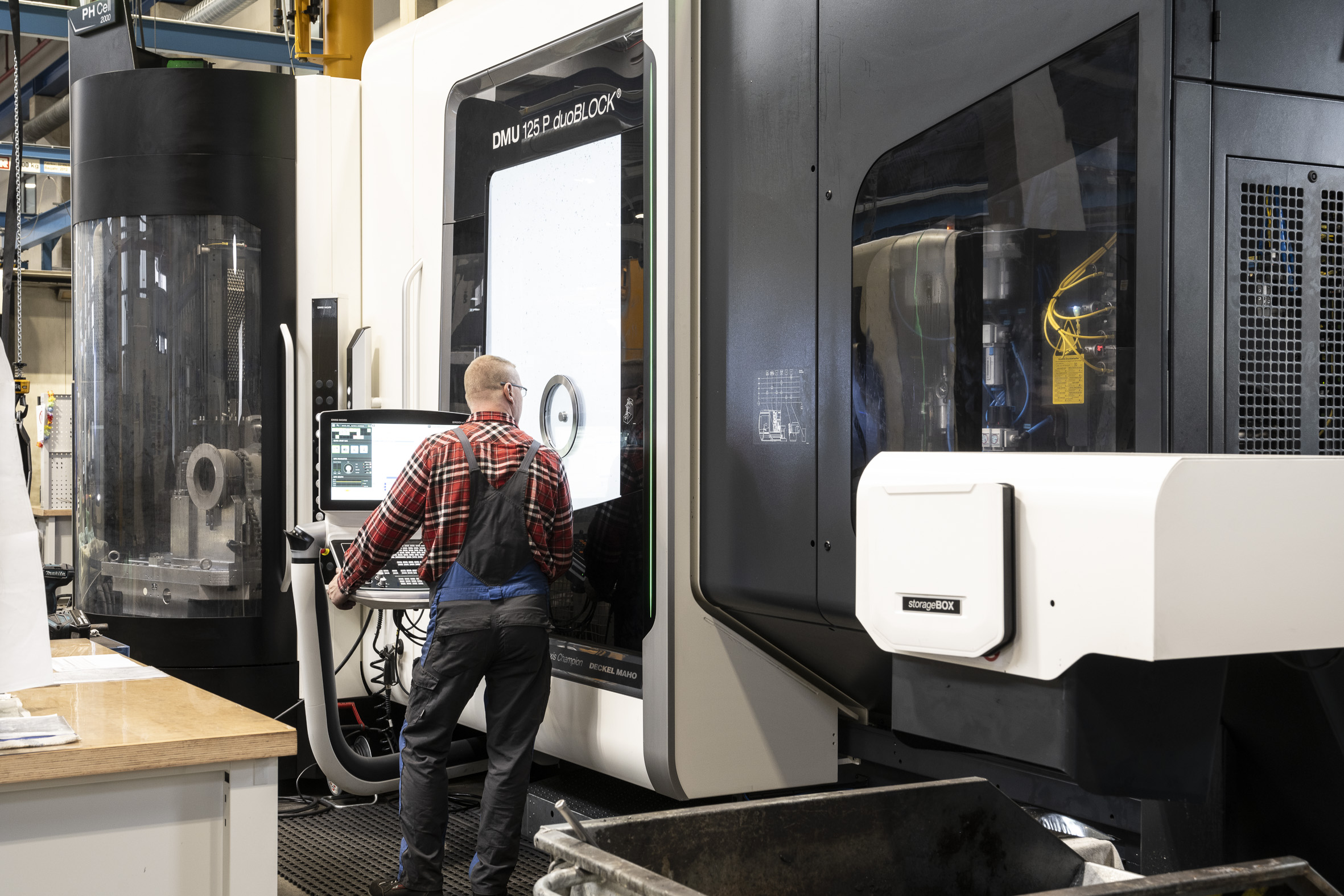
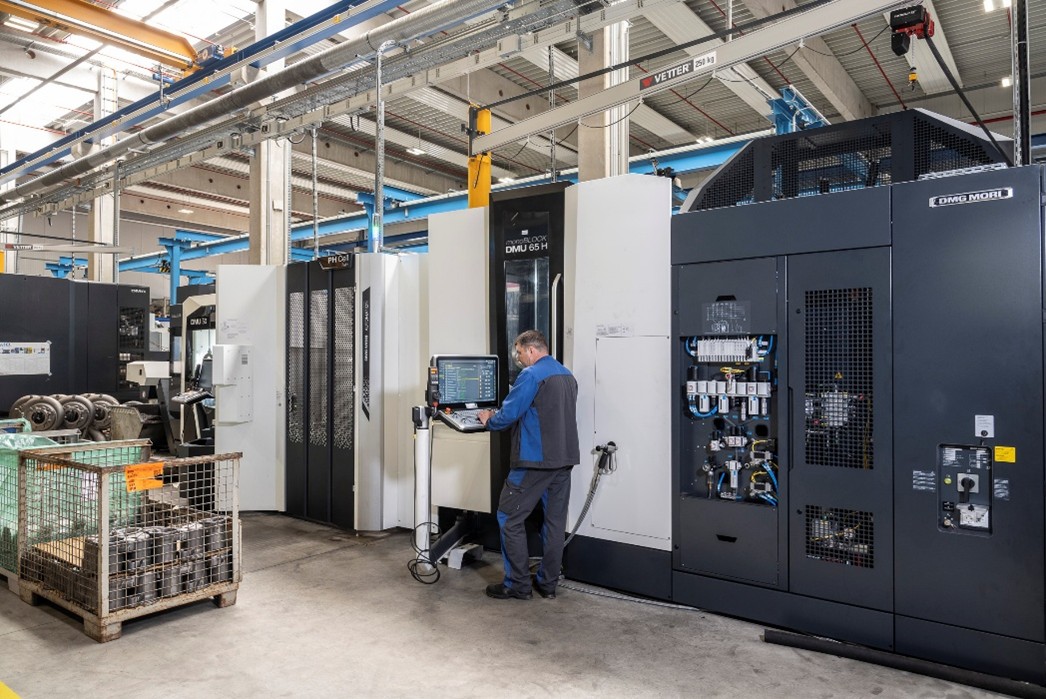
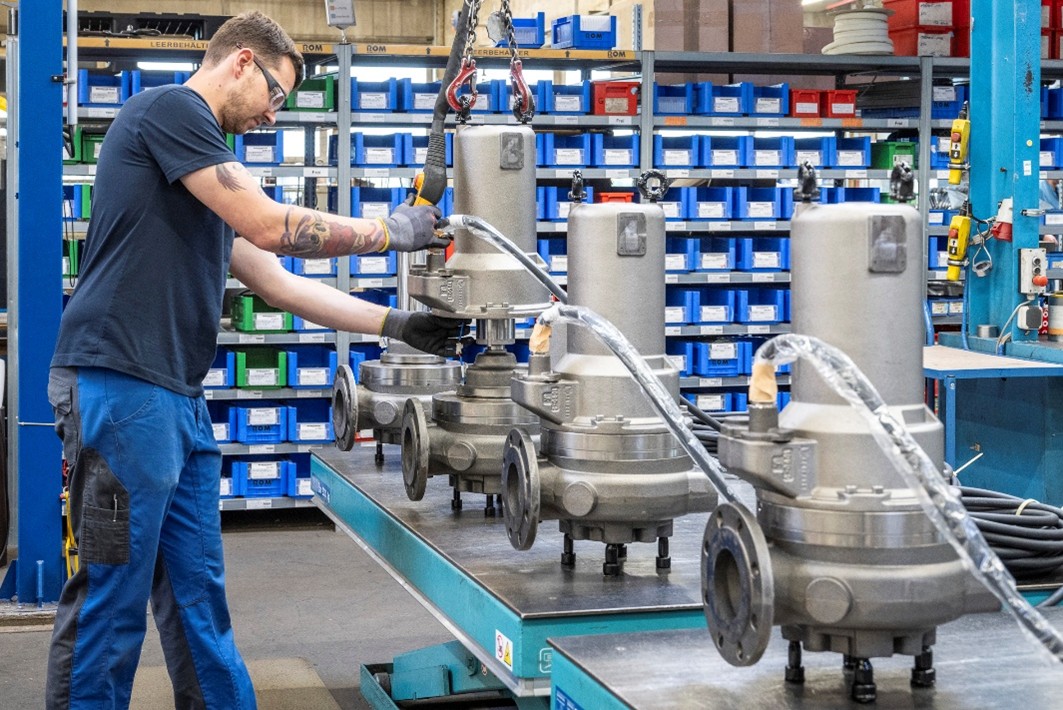
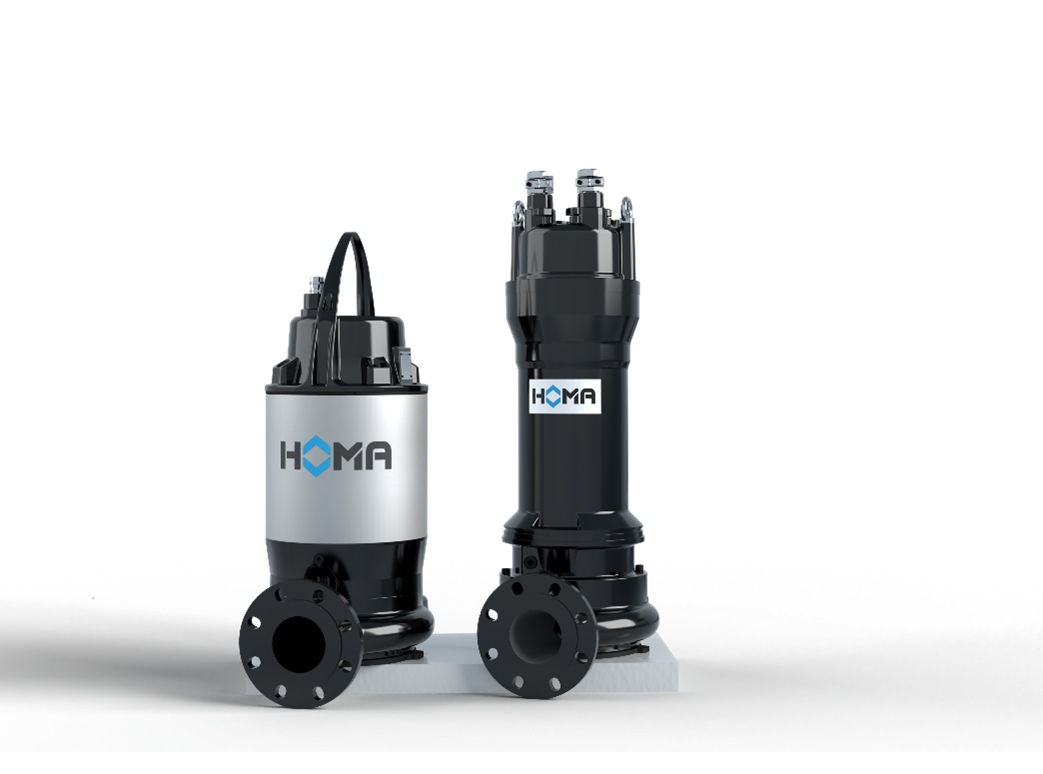
The Maribo Lakes Nature Park on the island of Lolland in Denmark is struggling more and more with flooding due to increasingly extreme rainfall. As the pumping station, built in 1926, was no longer able to cope with the rapidly rising water levels, in 2017 HOMA Pumpenfabrik was commissioned to optimize it. Since then, two powerful propeller pumps have enabled reliable control of water levels. This is just one of many examples of the use of sewage and waste water pumps supplied by the Neunkirchen-Seelscheid-based company. 265 experienced employees ensure smooth processes, from development and design to the manufacture of the pumps and associated electric motors and their assembly. Final acceptance testing takes place in test basins up to ten meters deep. For more than 20 years, machining processes using CNC technology from DMG MORI have played a major role in the high level of vertical integration. Since 2021, the machine tools have been housed in a new 6,500 m² production facility, which provides sufficient space for ongoing capacity expansion. To ensure long-term competitiveness, HOMA is focusing on consistent modernization through automation and complete machining of components in a single setup. A DMU 125 P duoBLOCK with PH Cell 2000 and a DMU 50 and DMU 65 H monoBLOCK, which operate autonomously with the help of a PH Cell Twin, are highlights in the production area. In addition, there is an automated CTX beta 800 4A and a CLX 550 TC.
Used worldwide: from construction to flood protection
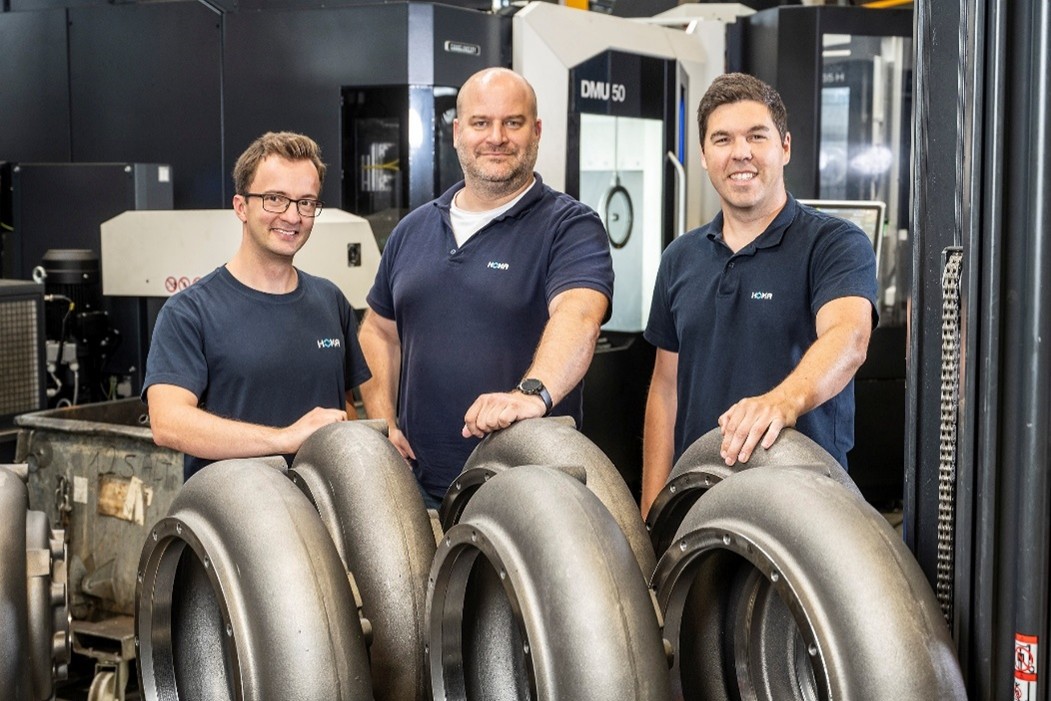
“Flooding clearly shows how important high-performance pumps are, but even outside of such extreme situations, managing wastewater and dirty water is a major challenge, for example in building services and industry,” explains Michael Sulzbach, Managing Director of HOMA Pumpenfabrik. “It is a crucial part of infrastructure, which usually takes place underground and out of sight.” HOMA bases its products on a comprehensive modular system in order to be able to offer suitable solutions for a wide variety of applications. The largest pumps deliver several thousand liters per second. For example, 350 HOMA pumps regulate wastewater on The Palm artificial residential island in Dubai. The urban drainage system in Riyadh, Saudi Arabia and the wastewater and drainage systems at Hong Kong International Airport also rely on pump technology from HOMA. “Process reliability is the most important criterion in all installations, wherever they are in the world,” adds Michael Sulzbach. Around 60 percent of the projects are abroad.
Future-proof manufacturing with single-setup machining and automation
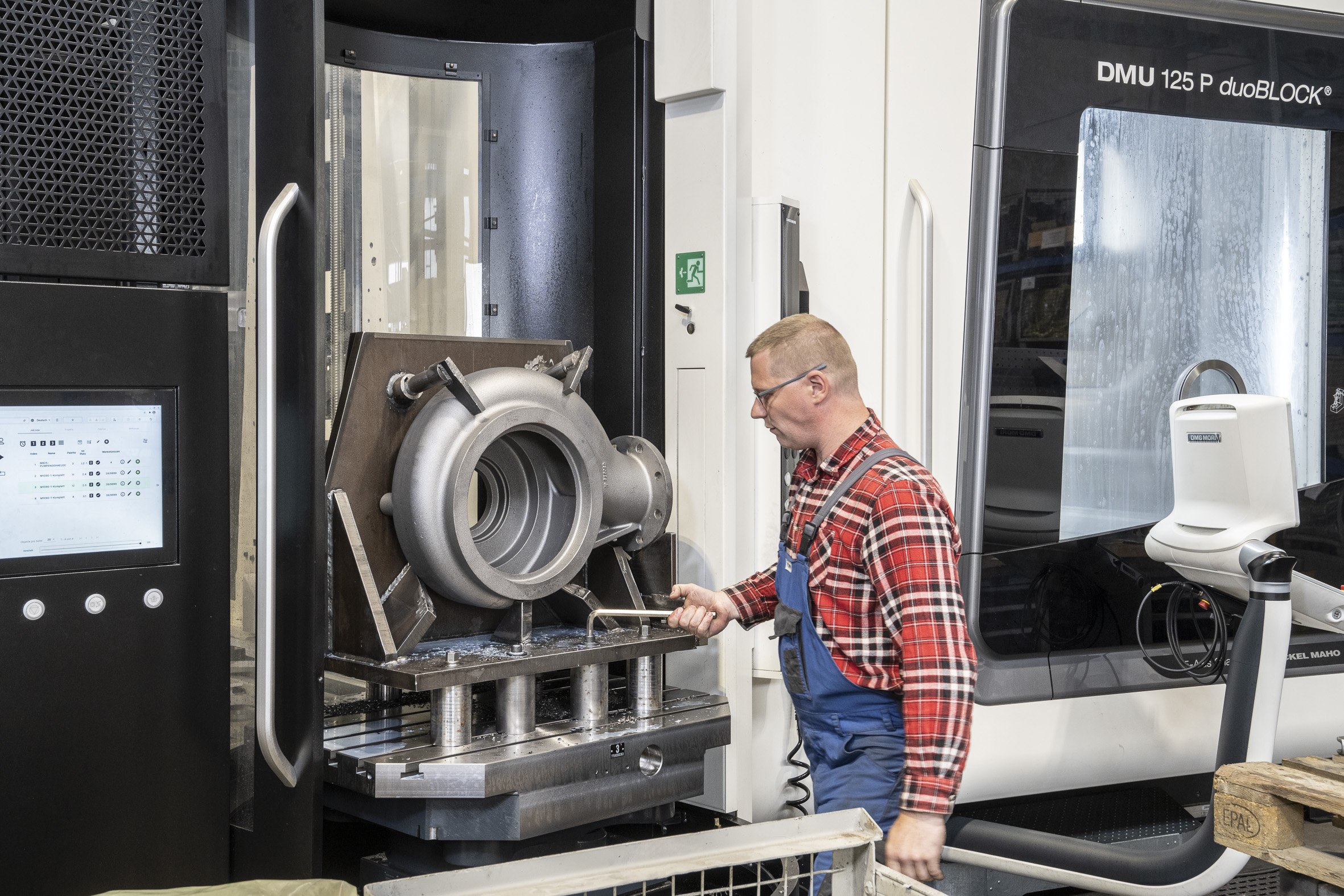
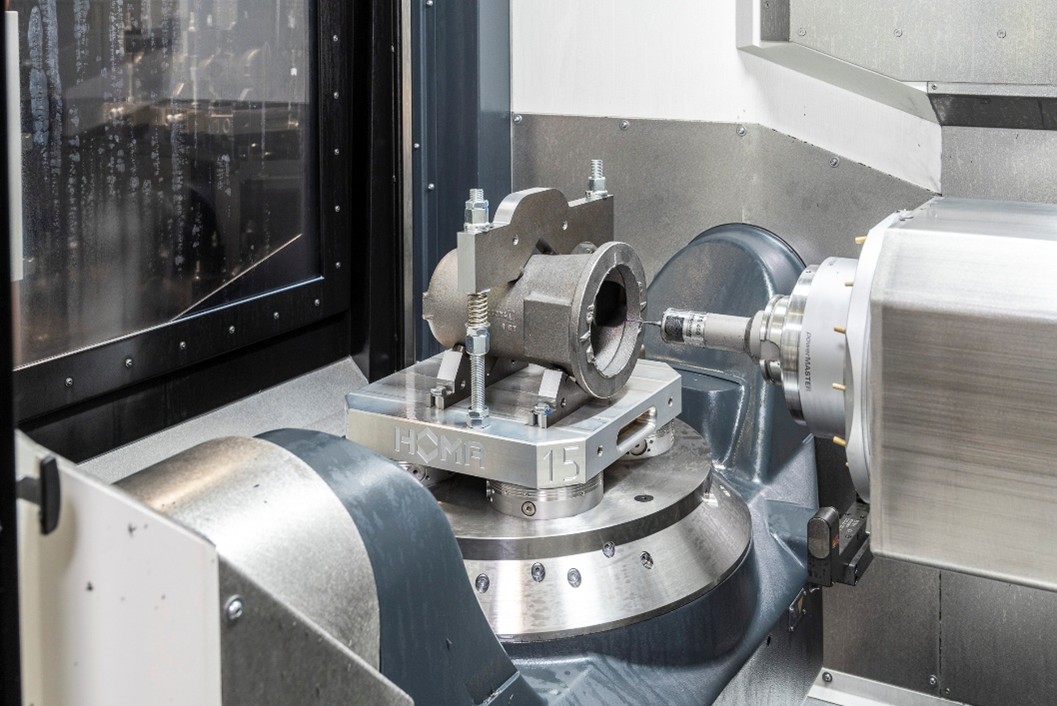
To ensure that the pumps operate reliably, HOMA attaches great importance to quality-oriented manufacturing. The company produces both the pumps and the associated electric motors entirely in-house. The cast iron and stainless steel components require extremely tight tolerances, with many features held to within microns. “Stable and precise machine tools are therefore essential,” says Markus Krämer, Project and Process Management at HOMA. “DMG MORI's machining centers and lathes have proven over many years that they meet the required high precision.” That is why the machine tool manufacturer was also the first choice for the latest investments. “Not least because DMG MORI is breaking new ground in manufacturing.” Markus Krämer refers in particular to complete machining and flexible automation solutions. “Many components used to be machined on three or four machines – a lengthy process that entailed downtime,” says Markus Krämer. With DMG MORI's 5-axis machining centers, throughput times have been drastically reduced – for almost every component size. “The PH Cell pallet handling systems also relieve the workload on employees and create the opportunity for higher-value activities.”
Flexible and autonomous series production
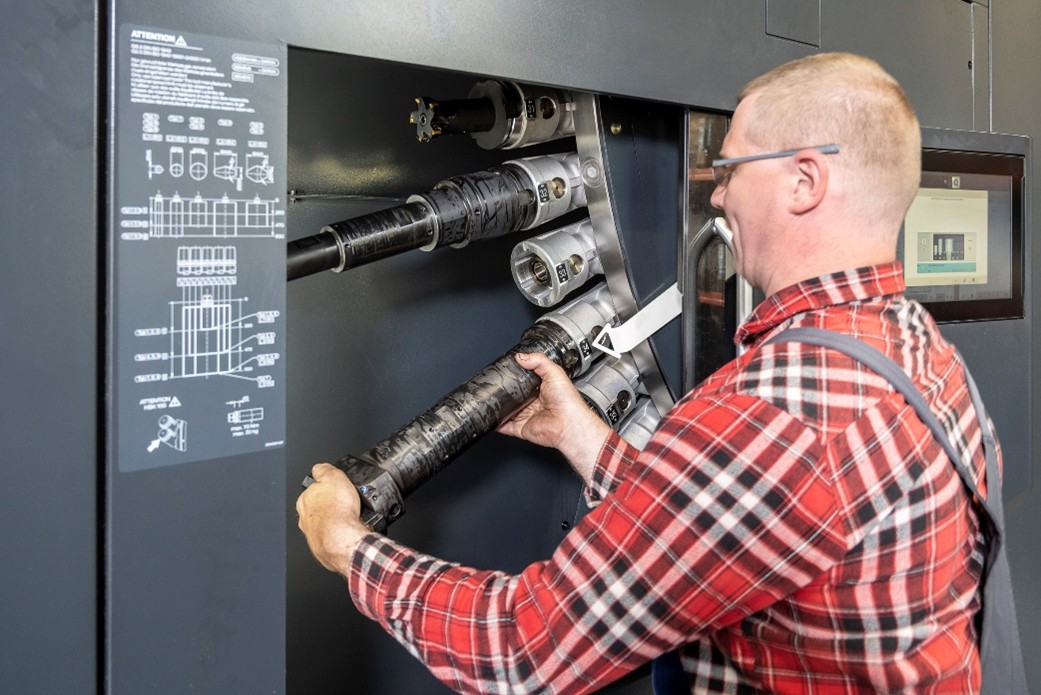
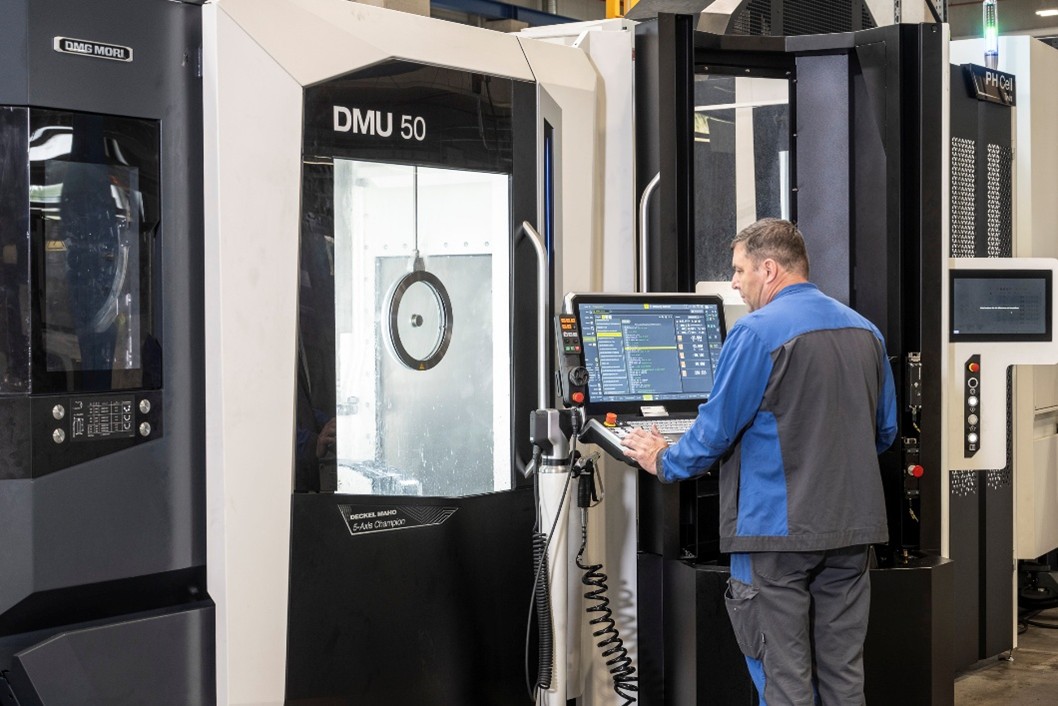
With the three new 5-axis machining centers and pallet handling systems, HOMA covers a very wide range of components: The PH Cell 2000 on the DMU 125 P duoBLOCK offers space for 13 pallets measuring 1000 x 800 mm. The large wheel magazine with 243 tool positions enables a wide variety of production options. “We use a lot of special tools, for example for boring our electric motors,” says Markus Krämer, explaining the large magazine size. He was particularly impressed by the quick commissioning. “DMG MORI set up the machine completely within four days.” The PH Cell Twin provides a total of 24 pallets – 19 measuring 300 x 300 mm and five measuring 500 x 500 mm. The pallet handling system is designed to serve two machines simultaneously, in this case a DMU 50 and a DMU 65 H monoBLOCK. HOMA also produces larger series of up to 1,500 parts on the two machining centers. “The combination of the two models makes the production cell very flexible,” says Markus Krämer. “The DMU 65 H monoBLOCK is particularly suitable for component geometries that require efficient chip evacuation.”
When it comes to modernization in the turning sector, HOMA is also focusing on complete machining in a single setup. “Thanks to the TWIN concept, the CTX beta 800 4A has a counter spindle/tailstock combination, which allows us to machine longer components in the main spindle using the tailstock for support and perform rear machining on a shorter component in the counter spindle at the same time,” says Markus Krämer, describing the equipment. The CLX 550 TC goes one step further: “With the compactMASTER turning/milling spindle, it can also machine complex geometries on six sides in a single clamping.” This makes both models ideal for series machining of shafts for electric motors.
More efficient thanks to digitized processes
For HOMA, the transformation to future-proof manufacturing also means focusing on digital tools. “The CELOS independent digital interface and data management system sitting above the machine control system offers an ideal starting point for this,” says Markus Krämer, praising the intuitive GUI. “The Messenger software now enables us to monitor machine statuses and collect actual production data.” This provides a basis for further optimizing production. HOMA already works with an ERP system that automatically prioritizes orders and transmits them to the machines. Markus Krämer also appreciates the benefits of digitalization: “The my DMG MORI online customer portal ensures fast transmission of service requests and transparent problem solving.”
Modern manufacturing environment for skilled workers of the future
In addition to their improved productivity, modern machine tools and a digital manufacturing environment are also very important to Michael Sulzbach for talent acquisition: “It is a major challenge to find good skilled workers and apprentices. State-of-the-art CNC technology definitely makes the working environment more attractive.” HOMA currently employs ten apprentices.
Machining transformation for healthy growth
HOMA wants to continue the strong growth of recent years, which saw record sales in 2024. “A large part of this is attributable to new customer business, because our pumps operate reliably for many decades,” says Michael Sulzbach, looking back on the company's development. “But older pumping stations, such as the one in Denmark, are also gradually being converted to more efficient solutions.” With its holistic realignment in production, HOMA is on the right track. It is fully in line with DMG MORI's Machining Transformation (MX). Automated, digitized workflows with integrated processes increase both productivity and cost-effectiveness. Michael Sulzbach agrees with this approach: “We also see this as the best opportunity for healthy growth.” HOMA has grown strongly in recent years. “Simply replacing old machines with innovative manufacturing solutions takes us a long way. Additional purchases and a further expansion of the production area are options that will follow in the future.”


HOMA Pumpenfabrik GmbH
Industriestraße 1
53819 Neunkirchen-Seelscheid
HOMA Pump